Gingival Recession Treatment

Cover exposed roots, reduce sensitivity, and protect your teeth from decay with advanced gum grafting.

Gum Grafting and Gum Recession

How Can Gum Grafting Help?

Gum grafting is a procedure used to treat areas where the gums have receded and exposed the roots of the teeth. By restoring lost gum tissue, a graft can help protect exposed roots, reduce tooth sensitivity, and improve the appearance of your smile.

Treating gum recession can also help protect the long-term health of your teeth and gums, allowing you to eat, speak, and smile with greater comfort and confidence.

What Causes Gum Recession?

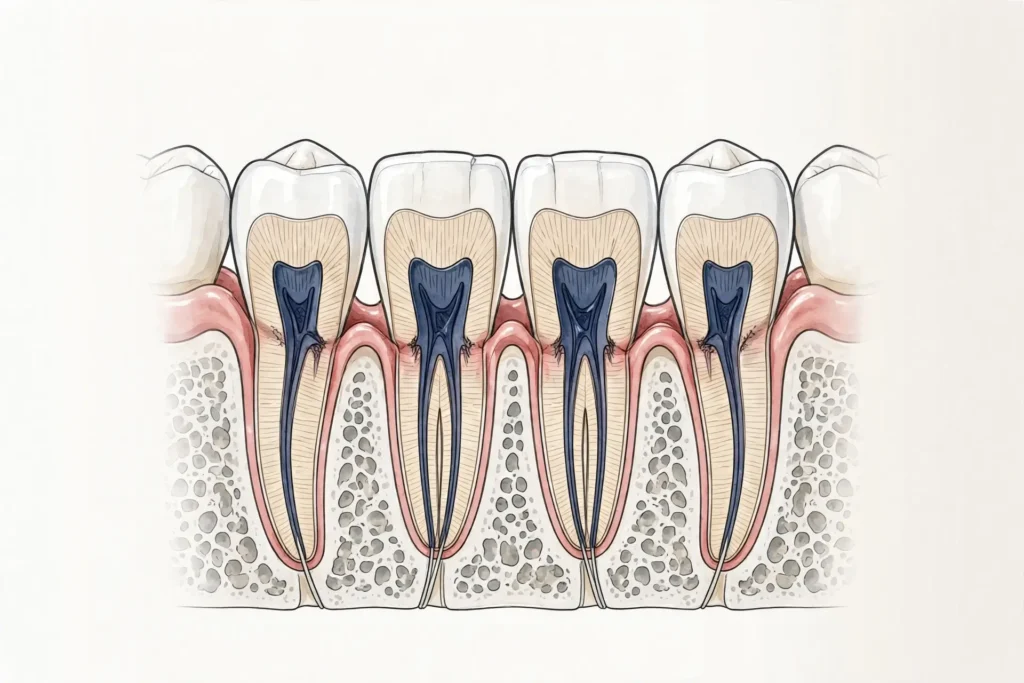
Gum recession occurs when the gum tissue gradually pulls away from the tooth, exposing more of the tooth or its root. Periodontal disease is one possible cause, but recession can also occur for other reasons, including aggressive brushing, genetics, or other factors that affect the gums.

Because gum recession often develops slowly, you may not notice it right away. Without treatment, exposed roots can become more sensitive and are more vulnerable to decay and further damage.

Signs of Gum Recession

You may have gum recession if you notice:

  • Increased sensitivity to hot, cold, sweet, or acidic foods and drinks
  • Teeth that appear longer than they used to
  • Visible areas of the tooth root
  • Increasing spaces or changes along the gumline

If you notice these changes, a periodontal evaluation can help determine the cause of the recession and whether gum grafting or another treatment may be appropriate.
Signs you may need treatment
Exposed Tooth Roots
Tooth Sensitivity
Longer Looking Teeth
Bleeding & Gum Loss

What to expect

1

Diagnose

We determine which type of soft tissue grafting is most beneficial for you. There are different situations of gum loss and recession. Factors include amount of attached tissue lost, cause of recession (aggressive brushing, orthodontics), high frenum attachment, and whether recession is around teeth or implants.

2

Treat

Gum grafts (soft tissue grafts) are surgical procedures where a small layer of tissue is removed from the roof of your mouth (donor site) and then relocated to the site of gum recession (recipient site). It is sutured into place and will serve to protect the exposed root as living gum tissue. Options include Free Gingival Graft, Connective Tissue Graft, and Lateral Pedicle grafts.

3

Restore

The grafted tissue replaces healthy attached tissue and covers unattractive exposed roots, reduces gum recession, and protects roots from decay and eventual loss. Dr. Farhadian will discuss the best option to treat gum recession around teeth and implants, and the graft heals to become natural, healthy gum.

Common questions

What causes gingival recession?
Common causes include aggressive tooth brushing, orthodontic treatments, periodontal disease, poor oral hygiene, and a lack of attached gingiva with a high frenum attachment that exaggerates pull on the gum margin. Family history can also be a factor.
We use soft tissue grafts. A small layer of tissue from the roof of your mouth is relocated to the recession site and sutured to protect the exposed root. Types include Free Gingival Graft, Connective Tissue Graft, and Lateral Pedicle grafts, chosen based on your specific situation.
The procedure is done with local anesthetic for comfort. A small layer is taken from the donor site (roof of mouth) and placed at the recipient site. Discomfort after is typically mild and manageable. The graft serves as living tissue to protect your tooth long-term.
No. Once gum tissue is lost due to recession, it does not grow back naturally. Treatment is needed to replace healthy attached tissue, cover the root, reduce sensitivity, and prevent further recession, decay, and loss.
If left untreated, exposed roots are vulnerable to decay, increased sensitivity, and further gum loss. It can lead to infection, loosening, and eventual loss of teeth, as well as unattractive appearance of long teeth and roots.